




Designing a brand’s visual identity is a vital process that gives the brand its soul and meaning. Visual identity includes elements such as logo, color, font and design style, which are used to recognize and recognize the brand. The visual identity of the brand definitely affects the decision-making of customers and plays a very important role in successful businesses.
The importance of visual identity design becomes apparent after recognizing the benefits such as brand recognition, attracting new customers and building trust. In today’s competitive world, visual brand identity plays an important role in distinguishing organizations; so that a brand without a strong and distinct visual identity cannot compete effectively in the market. In this article, we take an in-depth look at visual identity, its importance, key points, and more.
What is visual identity?
Visual identity is a set of graphic and design elements that includes logo, colors, typography and motion graphics and seamlessly represents the personality and values of a brand. Visual identity design helps the brand to be well known in the minds of the audience and differentiate itself from competitors. Coherent design and in line with the brand’s goals can win customers’ trust and create a better experience of interacting with the brand.
Why is visual identity design important?
A brand with its attractive and unique visual identity will be recognizable and memorable, and this is considered a kind of free advertising for that brand. Visual identity design provides the possibility of a strong presence in the market for any company, and this causes customers to think of and trust a specific brand in the first place when making decisions; Also, the visual identity is considered a unique feature for the brand, which will make it easier to attract new customers by distinguishing it from competitors.
The logo is an important part of the brand’s visual identity, which represents the brand’s personality. The logo itself conveys different messages to customers. Colors and fonts also play an important role in brand recognition and have a significant impact on inducing a visual feeling for customers. Visual brand identity design also plays an important role in various advertising tools. With the coordination between the dimensions of visual identity and the type of media in which the components of visual identity are used, the effectiveness of advertising also increases. For example, a clear and well-designed logo can be seen in advertisements and in various media such as television, internet and billboards, like a shining diamond, and become an attractive advertisement for a brand.
In addition, visual identity design has an impact on brand products and services. From the moment customers are introduced to a new product, the brand’s visual identity can affect their emotions. If the product’s packaging, label and design are compatible with the brand’s visual identity, customers will feel more confident and trust the product. In general, visual identity can help create a strong and lasting connection between customers and the brand; Therefore, giving importance to visual identity for any organization is not only a choice, but a necessity.
The difference between visual identity and brand identity
Visual identity and brand identity are key elements in the structure and introduction of a business. Despite the apparent similarities, these two concepts have important differences with each other. In this section, we will examine these differences and the role of each in the success of a brand:
- Visual identity is only related to the visual elements of the brand, while brand identity includes all the emotional and experiential dimensions of the brand.
- Visual identity includes the logo, colors, and design, while brand identity represents the brand’s values, messages, and personality.
- Visual identity is a means to strengthen and display brand identity; But brand identity depends on long-term and emotional interactions with the audience.
Understanding the differences between visual identity and brand identity is very important for businesses looking to grow and develop. The importance of visual identity design becomes apparent when, by creating a coherent and attractive image, your brand is recognized faster by the audience; But brand identity helps to form emotions and loyalty in customers through deeper experiences and connections. The effective combination of these two concepts will greatly contribute to the success and differentiation of your brand in the market.

Stages of visual identity design
The formation of the visual identity includes a series of steps that starts from the initial research and brand recognition and continues with the logo design, the selection of colors, fonts and other graphic elements. To design this process, we must go through a certain hierarchy to achieve the best possible result. In the following, we will examine the stages of visual identity design together.
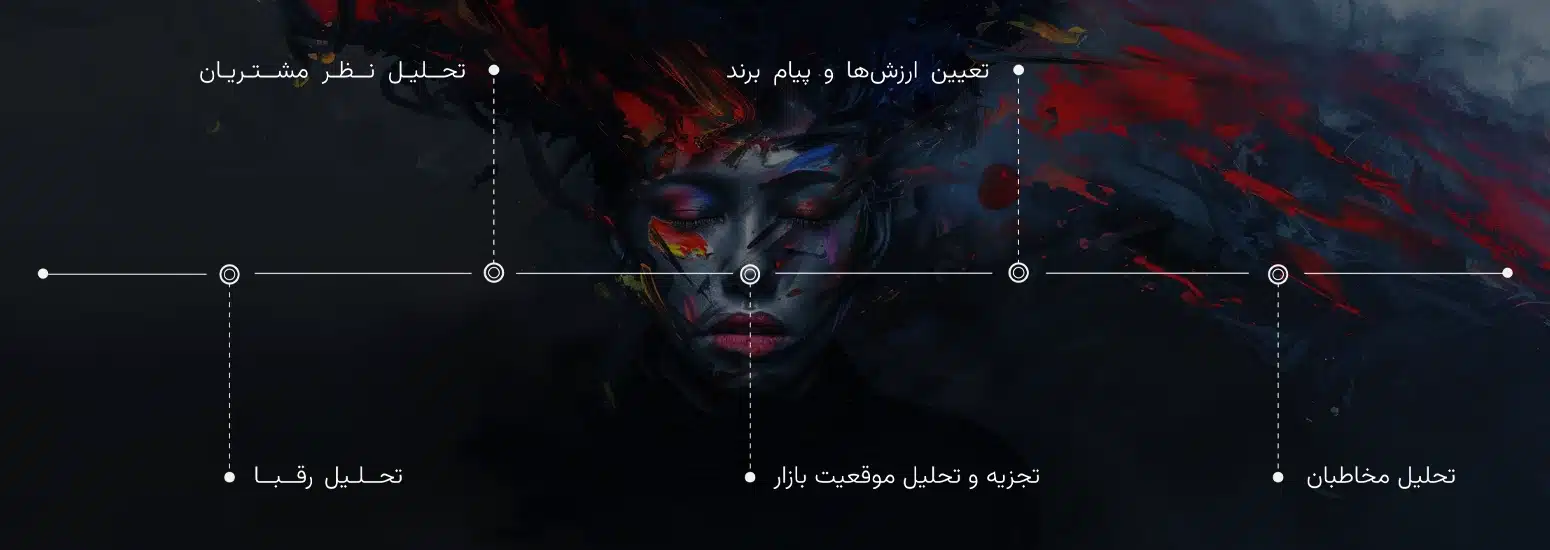
Brand identity research
This step is very important because it helps you to understand the purpose, values and strengths of your business and to design the visual identity of the brand in the best possible way. In this step, you need to identify your brand identity by gathering information and conducting research. This process includes the following:
- Competitor analysis: It is necessary to examine competitors and similar brands in the industry and market in which you operate, so that you can examine the similarities and differences between brands and design a unique identity for your brand.
- Audience analysis: You must carefully examine your target audience and their needs and talk to your customers and consumers to understand their needs and preferences and use this information to design your brand’s visual identity.
- Market Position Analysis: This is done by examining the brand’s position in the market and analyzing the growth trend, strengths and weaknesses, and opportunities and threats in the market. This information will help you to respond to market challenges and opportunities in visual identity design.
- Determining values and brand message: At this stage, you should determine the values of your team and define a desirable message for your brand. You must determine for yourself what advantages your brand has for its customers.
- Customer opinion analysis: You should know in which aspects your brand is strong and in which aspects it needs improvement. This information can be effective in the decisions related to the stages of visual identity design.
Compilation of concepts and ideas
Formulating the concept and idea in the stages of visual identity design is one of the most basic steps in creating a successful and effective brand. This stage defines and clarifies the brand’s values, mission, and personality, and sets the stage for selecting visual elements that effectively convey the brand’s message. At this stage, designers must create a powerful and coherent concept that is reflected in all aspects of the visual identity by examining the target market, identifying competitors and analyzing the needs and wants of customers. Formulating the concept and idea in designing the visual identity of the brand includes the following steps:
- Defining the goal: In this step, you need to define your idea and ultimate goal. This goal is different depending on the team and can be focused on attracting new customers, increasing reputation or strengthening relationships with existing customers. Determining purpose will help you step in the direction of your brand’s visual identity.
- Creating a brand identity: In order to formulate the general concept and idea of your company or organization, you must represent your brand identity for yourself. This includes defining the mission, values, voice and style of expression and visual symbols associated with the brand. Designing the visual identity of your brand and the overall idea of your organization should be in sync with your brand’s values and purpose.
Logo design
Logo design is one of the parts that reveals the importance of visual identity design. The logo, as a symbol and image of the brand, should be recognizable, unique and impressive. But to design a suitable logo, you must consider the following factors:
- Transferring identity: The logo should be able to transfer the identity and personality of the brand, and through the shape, color and patterns, it should convey the same feelings and message that the brand wants.
- Simplicity and creativity: A logo should be simple and understandable and remain in the mind of the audience, and at the same time, it should be creative and attractive to attract the attention of the audience.
- Can be used in different media: The logo must be usable in different sizes, whether in print media or in digital media, and its quality should not decrease in larger sizes.
- Coordination with other elements: The logo should be in harmony with other visual elements such as colors, photography style, patterns and others.
Color selection
Choosing brand color is one of the most effective steps in visual identity design. As a visual element, colors have the ability to create different emotions and play a very important role in brand recognition and communication with the audience. Here, we examine the importance of choosing color in visual identity and the points that should be considered in choosing color.
- Brand Recognition: Choosing the right color for visual identity makes the brand recognizable from competitors. Colors can create a special pattern for the brand and structure the minds of the audience. So you should choose a unique color scheme for your brand.
- Communication with personality and identity: colors can show the personality and identity of the brand well. For example, red represents strength, energy and passion, while blue and green color symbolize calmness, confidence and order; Therefore, based on the character and the main idea and concept of the brand, you should choose appropriate colors in the stages of visual identity design.
- Cultural and geographic impact: colors can have different effects based on the culture and geography of the target audience. For example, the color red is a symbol of danger and anger in Eastern cultures, while in most Western cultures it is usually seen as a symbol of fame and power. Therefore, choose colors based on your target audience.
- Application in print and digital environments: In order to maintain the harmony and harmony of the brand in print and digital media, you must choose colors that are shown correctly in these two environments. For example, some colors may shift or display incorrectly in a low-quality print. As a result, choose colors carefully and use the appropriate color system for each environment.
- Paying attention to fashion changes: the quality and quantity of the use of colors changes according to fashion and time trends; Therefore, to design a stable and long-term visual identity, use colors that retain their appeal with fashion changes and the passage of time. Of course, this does not mean no change and innovation, but every element of your brand should be updated with fashion changes.
Create a visual mood
Humans gain 75% of their understanding and experience through vision, 13% through hearing, and 12% through other senses. That is why most companies are very sensitive about the visual identity of the brand. Because a brand can engage people’s other senses in addition to vision, and this is how it looks attractive to customers. In the following, we will examine the importance of creating a visual feeling in the design of the brand’s visual identity.
- Alignment with values: When a brand can properly reflect its values in its visual identity, the audience will easily align with these values and establish a better relationship with the brand. For example, if your brand value is innovation and creativity, your visual identity should create a sense of innovation and creativity.
- Message transmission: creating a strong visual feeling can lead to a faster and better audience recognition and understanding of the brand message. Message transmission is very important for brands, and visual identity design with appropriate colors, fonts and graphic elements can reflect your brand message well.
Key points in successful visual identity design
The successful design of the visual identity requires attention to several key points that can have a significant impact on creating a strong and lasting image of the brand. The first point is a deep understanding of the purpose and values of the brand, which helps determine the direction of the design; Also, the choice of colors, fonts and graphic elements should be in a way that matches the brand’s personality and creates positive emotions in the audience.
Simplicity and recognizability are also important principles of visual identity design, which makes the brand easily remain in the mind. Finally, creating a coherent and coordinated visual identity across all platforms and advertising materials is the key to success in attracting customer attention and loyalty. Let’s take a closer look at some key points for a successful visual identity design.
- Acceptability in Simplicity: The visual identity should be simple so that the audience can easily understand and trust it. The use of simple and understandable patterns, forms and colors is very effective.
- Feedback and improvement: Always take audience feedback seriously and use it to improve your visual identity. Listening to customers’ opinions and suggestions will help you identify problems and make necessary changes.
- Alignment with Marketing Objectives: Visual identity must align with your marketing strategy; Therefore, use colors, fonts and graphic elements, according to your marketing objective.
- Creative thinking: Creative thinking is very important in designing the visual effect of the brand. You should look for innovative and unconventional solutions to design your visual identity so that you can stand out from your competitors in the market.
- Use of images and photos: The use of images and photos can add more appeal and color to your visual identity. Images should match your brand’s content and evoke the desired emotion in your audience.
Using visual identity in different tools
Today, with the advancement of technology and the presence of more and more brands in the virtual space, the importance of visual identity design in various tools has increased. In the following, we will examine how to use visual identity in several main tools.
- Logo: As we said, a logo is one of the most important components of visual identity and should be used correctly in all tools. The logo on the site and mobile applications should be used at the top of the page and uniformly on all pages. Your brand logo should also appear well on printed products such as business cards, letterheads, and brochures.
- Colors: Visual identity colors should often be used seamlessly across all tools. Use primary brand colors for the background and secondary colors for highlight elements and icons.
- Typography: Choosing a type of font or a combination of fonts to use in titles, texts and slogans is also very important. These fonts should be used seamlessly across all tools and fit the content and brand identity.
- Website and Application: Apart from the logo and colors etc., various graphic elements such as icons, buttons and in general, shapes that reflect the design of the brand’s visual identity, must be properly implemented in your website and application.
- Social Media: Visual identity should be maintained even on social media. It is very important to use unique logos, colors and typography for profile design, posts and banners on Telegram, Instagram and Twitter.
- Follow visual identity guidelines: If you don’t have clear guidelines to formulate it, the integrity of your brand’s visual identity is always at risk and you may run into trouble. This is considered unprofessional, confuses customers, and even causes you to lose their trust. If your brand is a bit big, you won’t be able to oversee the entire visual identity design process. On the other hand, maybe your colleagues in social media, websites or advertising are not familiar with all aspects of visual identity. This is where having a comprehensive guide comes in handy.
Visual identity design, a comprehensive guide
We realized that visual identity is the showcase and manifestation of a brand. Logo, font, photo, pattern, icons and colors, in a word, are components of visual identity or visual brand identity, and with the help of these components of visual identity, the real idea and concept and the main character of the brand can be understood by people. Therefore, the design of the visual brand identity has a great impact on the relationship between customers and businesses and can have a positive effect on the easier recognition of companies and their credibility.
Gelavizh Company offers specialized branding services by creating a unique visual identity aligned with the brand’s values, which leads to differentiation and increased brand recognition in the market. Utilizing logo design, color schemes, and integrated graphic elements, the company delivers a professional and lasting experience for the audience. Additionally, Gelavizh’s branding services maintain visual consistency across all advertising and digital platforms, strengthening the brand’s position in competitive markets.
Frequently Asked Questions (FAQs)
1. What is visual brand identity and why is it important?
Visual brand identity is a set of graphic elements such as logos, colors, fonts, and visual designs that convey the personality and values of a brand to the audience. This identity makes the brand easily recognizable, builds customer trust, and differentiates the brand in a competitive market. The importance of visual brand identity lies in increasing brand awareness and influencing customer decision-making.
2. What are the stages of designing a visual brand identity?
The stages of designing a visual brand identity include brand research and analysis, concept development, logo design, color and font selection, and creating a visual atmosphere consistent with the brand’s values. This process helps the brand build a cohesive and impactful image in the minds of the audience and strengthens its position in a competitive market.
3. How do colors impact visual brand identity design?
Colors play a key role in conveying emotions and the brand’s personality. Choosing the right colors can differentiate the brand and communicate specific messages to the audience. Colors should also be selected according to the culture and target market to maximize brand recognition and effectiveness.
4. What is the difference between visual brand identity and brand identity?
Visual brand identity refers only to the visual elements of a brand such as logo, colors, and graphic design, whereas brand identity encompasses a broader range of values, messages, and emotional experiences customers have with the brand. Visual brand identity serves as a tool to visually represent the brand identity and establish quicker connections with the audience.
5. What role does logo design play in visual brand identity?
The logo is the most important visual symbol of a brand, which should be simple, distinctive, and easily recognizable. Logo design must effectively communicate the brand’s personality and values and maintain its quality and impact across all media, from print to digital.
6. Why is consistency and cohesion in visual brand identity important across all platforms?
Consistency in using colors, fonts, and graphic elements creates a strong and trustworthy image of the brand. Cohesion of visual brand identity across advertising, websites, social media, and products conveys stability and professionalism to customers, positively impacting brand loyalty and recognition.
7. How can visual brand identity be aligned with marketing strategy?
To align visual brand identity with marketing strategy, the brand’s values and goals should be reflected in logo design, colors, and other visual elements. This alignment ensures the brand message is effectively communicated to the audience and enhances the impact of advertising and marketing campaigns.
