




In the Dehkhoda dictionary, the word brand is defined as follows: a name, phrase, design, symbol or any other characteristic that identifies the service or the seller of a particular product by which it is distinguished from other similar products and services and is a legal title for a brand or trademark; But in the world of business, product branding, branding and brand, there is a much broader, more comprehensive and more accurate definition.
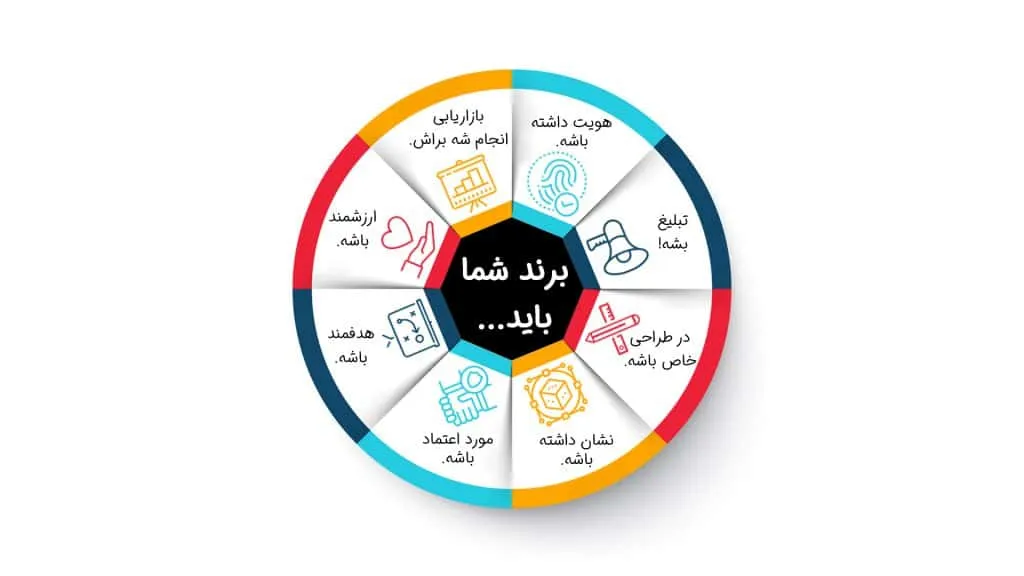
That is, a brand is not just choosing a name or designing a logo. In branding management, you have to do a series of activities to be popular. Note, being a brand is not just about being famous; Popularity is much more important. A serial killer is also famous; But it is not popular and you must learn the principles of branding and managing it well so that your product branding becomes popular with everyone; But people like Gandhi are famous and popular.
Steps to implement a successful branding
Implementing a successful branding is a complex and multi-stage process, the goal of which is to create a strong, distinctive and lasting identity for your brand. Branding is more than choosing a name or designing a logo; Rather, it deals with creating a deep and meaningful relationship with customers, as well as creating a positive and credible image in the market. This process includes different steps, each of which is very important in turn and will help you to be more successful in the market competition.
In today’s world, where the competition between brands has become very intense, the importance of branding, especially in creating customer loyalty and trust in the brand, is clearly evident. Successful brands are able to create a unique experience for their customers, which makes them easily remember the brand and remain loyal to it; This will not only increase sales; It also strengthens the overall image of the brand in the minds of the audience.
In the following, we examine the main stages of branding in detail.
Market research and analysis
Market research and analysis is the first step in the branding process and helps you understand your market properly. At this stage, you should identify the needs and wants of customers and collect information using tools such as surveys and focus groups. This information will help you get a clearer picture of customer needs and the strengths and weaknesses of brands in the market.
Also, competitor analysis allows you to identify their strengths and weaknesses and find ways to differentiate your brand. Identifying your competitors’ weaknesses can give you the opportunity to differentiate your brand in the market by offering unique offerings. Along with these things, analyzing the market trends will also help you to stay updated and implement innovations in your brand that will keep it competitive in the market.
At this stage, you should also analyze the collected data and identify patterns and trends. For this, you can use analytical software that helps you better understand customer behavior and market trends.
Using the data obtained from market analysis will help you attract more customers and is one of the ways to increase sales.
Determining brand goals and values
The next step is to define your brand’s goals and values. You need to define your brand’s mission and long-term goals. This mission clearly shows what your brand is about and why it exists. For example, is your brand trying to solve a specific problem or offer high-quality products? These should be clearly stated in your brand purpose.
Brand values are the principles and beliefs that your brand is based on and that influence its decisions and behaviors. For example, if your brand is built on honesty and transparency, this value should be reflected in all brand activities. Determining these values will help you shape your brand identity and align it with your customers’ needs and desires.
Goals should be specific, measurable and realistic. These goals should not only contribute to the growth and success of the brand, but should also be achievable. At this stage, using project management techniques can help you track your goals in a systematic way.
Determining the target audience
The next step is to determine the target audience. Accurate identification of the target audience is one of the other key stages of branding. You need to segment your potential customers based on demographic, psychographic and behavioral characteristics. This allows you to more accurately respond to the needs and desires of customers.
Creating a customer persona, which is a profile of your ideal customer, allows you to communicate more effectively with your audience and tailor your marketing strategies to their needs and problems; With this, you can design your marketing messages more effectively and communicate better with your customers.
Identifying the target audience helps to design your production content in a way that is closer to the interests and needs of the audience. For example, if your target audience is young people, you can use more attractive language and visual styles to attract their attention.
Visual brand identity design and brand name selection
Brand visual identity design includes the selection and design of visual elements that give your brand a special identity. This step includes designing a logo, choosing colors and fonts that give personality to your brand. A strong visual identity helps your brand stand out in the market and communicate effectively with customers.
Choosing the brand name also takes place at this stage and forms an important part of the brand’s visual identity. The brand name should be chosen in a way that is simple, attractive and unique; Also, it should be in harmony with the purpose and values of the brand to establish an emotional and meaningful connection with the audience. Choosing the right name can help to easily remember and recognize the brand in the market.
Creating a brand story and tone
A brand story helps you connect more deeply with your customers. This story should show how your brand was formed, what purpose it pursues and what value it offers to customers. The story of the brand should be narrated in such a way that the audience can easily connect with it and see themselves in it.
The tone of the brand should also be consistent with the identity of the brand and its audience. This tone can be formal, friendly or informal and should be consistently maintained in all brand communications. By using the right brand story and tone, you can create positive emotions and experiences in the minds of customers.
This story and tone should be followed not only in your marketing content, but in all your interactions with customers. For example, on social media, communicate in a way that reflects your brand personality and connect with your audience.
Marketing and communication strategy
This stage includes designing marketing strategies and choosing appropriate communication channels for your brand. Based on market analysis and knowing the target audience, you should choose effective methods to advertise and promote your brand. These strategies should be designed according to the brand identity and its values to have the greatest impact on the audience.
Choosing the right channels, both online and offline, can help your brand succeed. You can use social media, advertising, blog content, and even in-person events to connect with customers; These channels should be selected according to the behavior and interests of the target audience.
Marketing strategies should be designed in such a way that they can be evaluated and improved over time; These evaluations help you understand which methods are working and which need to be changed.
Interaction with customers
Effective interaction with customers is one of the main pillars of brand success. You should care about your customers and respond to their feedback. These interactions can include customer service, support and social media activities. Establishing positive and continuous communication with customers can contribute to their loyalty and satisfaction with your brand.
By providing positive experiences for customers, you can build trust and a deeper connection with them. These interactions not only allow you to identify your brand’s strengths and weaknesses, but also help you create a greater sense of belonging and emotional connection with your customers.
Today’s customers value personalized interactions and attention to their needs; Therefore, by using customer data and analyzing their behavior, you can provide more tailored experiences.
Continuous monitoring and evaluation
Branding is a dynamic process that requires continuous monitoring and evaluation. You should analyze the performance of your brand and use the results to improve your strategies. These assessments allow you to identify the strengths and weaknesses of your brand and make the necessary improvements at the right time.
Using analytics tools and data analysis software will help you gain deeper insights into customer behavior and the impact of your marketing activities. By continuously evaluating, you can respond to market changes and keep your brand up-to-date.
This continuous monitoring also helps you make better decisions about the future of your brand using real data.
Brand update and evolution
Over time, your brand must react to changes in the market and the needs of your customers. Brand updating and evolution includes changes in visual identity, strategies and even brand values. This evolution makes your brand always remain relevant and attractive and can effectively compete in the market.
Updating your visual identity, choosing a new name or changing your marketing strategies can help make your brand more attractive. By doing this, you can ensure that your brand always remains on the path of growth and success.
Summary
Finally, what is branding? It is a strategic and continuous process that requires precision, attention and innovation. By following the steps of branding and constantly updating your strategies, you can establish a deep and meaningful connection with customers and be more successful in a competitive market. Your brand not only represents your product or service, but also reflects your values and mission. Creating a strong and lasting brand is the key to success in today’s world.
Gelavizh by presenting Branding services Comprehensive, including market analysis, visual identity design, formulation of brand and communication strategies, and customer experience management, helps businesses to present their brand in a distinctive, authentic and lasting way in the market. By focusing on creating a deep and meaningful connection with the audience, the Gelavizh team will help you to establish your position in the market competition.
Frequently asked questions
1. What is branding and how is it different from a brand or a logo?
Branding is not just designing a logo or choosing a name, but it is a strategic process to build the identity, personality and mental image of the brand in the mind of the audience. Branding means creating popularity, trust and emotional connection with the customer, while the brand or logo is only part of its visual identity.
2. Why is branding important for businesses?
Branding differentiates you from your competitors, increases customer trust and creates long-term loyalty. A strong brand not only increases sales, but also stabilizes your position in the market and increases the perceived value of your product or service.
3. What are the main stages of successful branding implementation?
Successful branding includes steps such as market research, determining brand goals and values, identifying the target audience, designing a visual identity, creating a brand story, formulating a marketing strategy, and continuously monitoring performance. Each step helps to build a lasting and reliable brand.
4. What elements does the brand’s visual identity include?
The visual identity of the brand includes logo design, choice of colors, fonts and graphic style that shows the brand’s personality. These elements must be harmonious, simple and distinct in order to remain in the audience’s mind and create an emotional connection.
5. How does branding increase customer loyalty?
When the brand can create a positive and unique experience for the customer, the feeling of trust and belonging is formed in him. Continuity in communication, quality of service and honesty in messages are key factors that make the customer not only buy, but also stay loyal to the brand.
6. What is the difference between personal branding and corporate branding?
Personal branding focuses on creating an individual image and credibility, while corporate branding deals with the identity of a company or organization. Both types of branding are done with the aim of gaining trust, creating distinction and increasing influence in the mind of the audience.
7. Why should brands update their branding?
As customer behavior, technology and competitors change, brands must update their strategy and identity to remain relevant and attractive. This change can include redesigning the logo, modifying the brand message, or revising the values so that the brand remains aligned with market needs.
