




Guerrilla marketing is a term coined by J. Konrad Levinson in the 1980s and is actually a non-traditional approach to marketing that relies on creativity, innovation and unconventional strategies to promote a product or service. Unlike traditional marketing methods that require large budgets and extensive planning, guerrilla marketing thrives on low-cost tactics that maximize impact and create buzz through surprise.
Imagine walking down a busy street and encountering an unexpected sight: a group of dancers performing a routine in the middle of a busy intersection. As you stand to watch, you realize that this impromptu performance isn’t just for fun, it’s a clever advertisement for a new energy drink. This is how guerrilla marketing works.
Guerrilla marketing campaigns are designed to engage audiences in unexpected ways and leave a lasting impression. One of the most prominent examples of guerrilla marketing outside of the business world is the “Fearless Girl” statue that was unveiled on New York’s Wall Street in 2017. “Fearless Girl” was installed in front of the iconic Charging Bull statue and was actually a campaign to promote gender diversity in the leadership of the commissioning company. The sculpture quickly went viral, drawing attention to the issue of gender inequality in the workplace and sparking conversations around the world.
Definition of guerrilla marketing
As we said, guerrilla marketing or guerrilla marketing is a marketing strategy that focuses on unconventional and low-cost tactics to promote a product, service or brand. Coined by marketing expert Conrad Levinson, the term “guerrilla marketing” is inspired by guerrilla warfare, where small, agile groups use surprise and unorthodox tactics to achieve their goals against larger, more powerful enemies.
At its core, guerrilla marketing is about maximizing impact with minimal resources. Guerrilla marketing campaigns often rely on unconventional locations, unexpected interactions, and grassroots tactics to reach target audiences where they least expect them. One of the key principles of guerrilla marketing is disruption. Rather than wasting consumers’ time with conventional advertising, guerrilla marketing aims to disrupt the daily routine and capture their attention in unexpected ways. Holding interesting performances in public spaces, creating an interactive structure or using content with the potential to become viral are among these methods.
Another important aspect of guerrilla marketing is creativity. Successful guerrilla marketing campaigns often emphasize innovative ideas and clever execution that play with imaginations and leave a lasting impression. Additionally, guerrilla marketing thrives on authenticity. In an age of skepticism toward boring conventional advertising, consumers gravitate toward brands that are authentic, transparent, and tangible. Guerrilla marketing campaigns that truly reflect a brand’s values, personality, and voice are more likely to resonate with audiences, and authenticity is key to creating meaningful connections with consumers.
Types of guerilla marketing methods
Guerrilla marketing’s unconventional methods and tactics challenge the state of the ever-evolving marketing landscape. But what are these methods?
Viral marketing
Viral marketing is a type of guerrilla marketing that uses social media and digital platforms to create and distribute content that spreads quickly and naturally among users. Unlike traditional advertising that relies on paid means, viral marketing depends on the power of social sharing to quickly reach a large audience.
One of the key features of viral marketing is creating content that is highly shareable and engaging. This content can take many forms, including videos, memes, infographics, challenges, and interactive experiences. The overall goal is to create content that, through humor, shock, inspiration, or nostalgia, tickles the audience’s senses and prompts them to share it with their friends, family, and followers.
Viral marketing campaigns often use current events, cultural trends, or trending topics to gain attention and generate buzz. By aligning with hashtags, memes, or social movements, brands can insert themselves into relevant conversations and increase the likelihood that their content will be shared and discussed online. Timing is critical in viral marketing, as the success of a campaign often depends on its ability to capitalize on fleeting, actionable moments.
In addition, viral marketing is heavily dependent on social media platforms such as Facebook, Twitter, Instagram, TikTok, and YouTube, where content spreads rapidly through likes, shares, comments, and reposts. Brands can make their viral marketing efforts more effective by partnering with influencers, celebrities, or popular accounts with large followings.
Word of mouth marketing
Word-of-mouth marketing (WOMM) is a form of guerrilla marketing in which people share their opinions, recommendations, and experiences about a product or service with others. Word of mouth marketing is driven by the consumers themselves and is one of the most reliable and effective forms of marketing.
One of the key characteristics of word of mouth marketing is its authenticity and credibility. Consumers tend to trust recommendations from friends, family, and peers more than brand advertisements, making word-of-mouth marketing a powerful tool for building trust and credibility with consumers. Positive word-of-mouth can significantly influence purchase decisions, increase brand loyalty, and create attractive value propositions for businesses.
Word of mouth marketing can take many forms, including personal recommendations and online reviews. This can be spontaneous, such as when a satisfied customer tells a friend about a good experience they had with a product or service, or it can be coordinated, such as when a brand encourages customers to share their experiences on social media or participate in promotional programs.
One of the most effective strategies for using word-of-mouth marketing is to create remarkable experiences that inspire customers to talk about and share with others. This includes providing exceptional customer service, offering unique and memorable products, or creating engaging and shareable content that sparks relevant conversations. By building strong relationships with their customers and empowering them to become brand advocates, organizations can leverage the power of word-of-mouth marketing to increase brand awareness, increase customer loyalty, and create positive perceptions of their products and services.
Graffiti Marketing
Graffiti marketing, also known as street art or guerilla graffiti, is a form of guerilla marketing that involves creating eye-catching and often temporary works of art in public spaces to promote a product, service or brand. In this type of marketing, companies use cityscapes as a canvas for advertising and bold colors, striking images, and creative designs to attract the attention of passers-by.
One of the key features of graffiti marketing is its ability to make an area of the urban environment look unusual and draw attention in unexpected ways. Graffiti marketing can take many forms, including murals, stencil designs, and 3D panels. These artworks often incorporate elements of brand identity, such as logos, slogans, or product images, while also reflecting local culture, aesthetics, and the context of the surrounding environment.
Another attraction of graffiti marketing is its guerilla nature, as it often takes the form of creating artwork in unsanctioned or unconventional locations without the permission of property owners or local authorities. While this can sometimes lead to controversy or legal issues, it also adds an element of risk and excitement to the campaign and increases its impact and visibility.
Additionally, graffiti marketing has the potential to reach a large audience and generate buzz both offline and online. Passersby who encounter the artwork in person may share photos or videos of it on social media, resulting in increased exposure and engagement for the brand. However, brands must act ethically and responsibly, taking into account the concerns of property owners, local residents and relevant authorities. Cooperation with local artists, obtaining permission if necessary and respecting the cultural and social context of the environment can be useful in this regard.

flash mob
A flash mob is a type of guerrilla marketing that involves organizing a group of people to perform a spontaneous and designed routine in a public space to promote a product, service or brand. These performances are usually brief, unexpected and interesting and are designed to attract the interest and curiosity of the audience and create a buzz about the brand.
One of the key features of flash mobs is its ability to create excitement in public spaces. Flash mob campaigns can turn ordinary places into places of fun and interaction by organizing a group of participants to perform a coordinated dance, song or performance. This element of surprise and spontaneity is what makes flash mobs so effective in attracting the attention of passers-by.
However, organizing a successful flash mob marketing campaign requires careful planning, coordination and execution. Brands must attract participants, secure the venue, and obtain all necessary permits. In addition, timing is also very important, as flash mobs are most effective during peak traffic times in high-traffic areas.
Advantages of Guerrilla Marketing
Guerrilla marketing offers businesses a unique advantage in the competitive world of advertising and, with its unique approach, provides a platform for brands to stand out.
Low cost
Guerrilla marketing offers several distinct advantages to businesses, one of the most important of which is the low cost compared to traditional marketing methods. Guerrilla marketing relies on low-cost tactics to achieve maximum impact. Unlike traditional advertising channels such as television, radio or print media that require significant financial investment, guerrilla marketing campaigns can be implemented with minimal resources. This makes guerrilla marketing an attractive option for businesses with limited budgets or startups. Since guerrilla marketing campaigns require minimal investment, they often have a high return on investment (ROI), and teams can achieve significant results at relatively low cost by using creativity, innovation, and unconventional strategies.
High effectiveness
Guerrilla marketing allows businesses to showcase their creativity, personality and values in a way that traditional advertising cannot. By creating unique and memorable experiences, guerrilla marketing campaigns can establish emotional connections with consumers and leave a lasting impression that goes beyond mere advertising messages, and this is what increases the effectiveness of the work.
Guerrilla marketing campaigns are designed to be interactive, inclusive and collaborative, encouraging audiences to engage with the brand in meaningful ways. Whether it’s in the form of solving a puzzle or thinking about an interactive whiteboard, guerrilla marketing invites consumers to participate in the brand experience. This interaction strengthens the connection with the brand and increases the level of loyalty. Guerrilla marketing campaigns have the potential to reach large audiences and gain exposure. This breadth allows businesses to achieve their marketing goals more efficiently and effectively than traditional advertising methods.
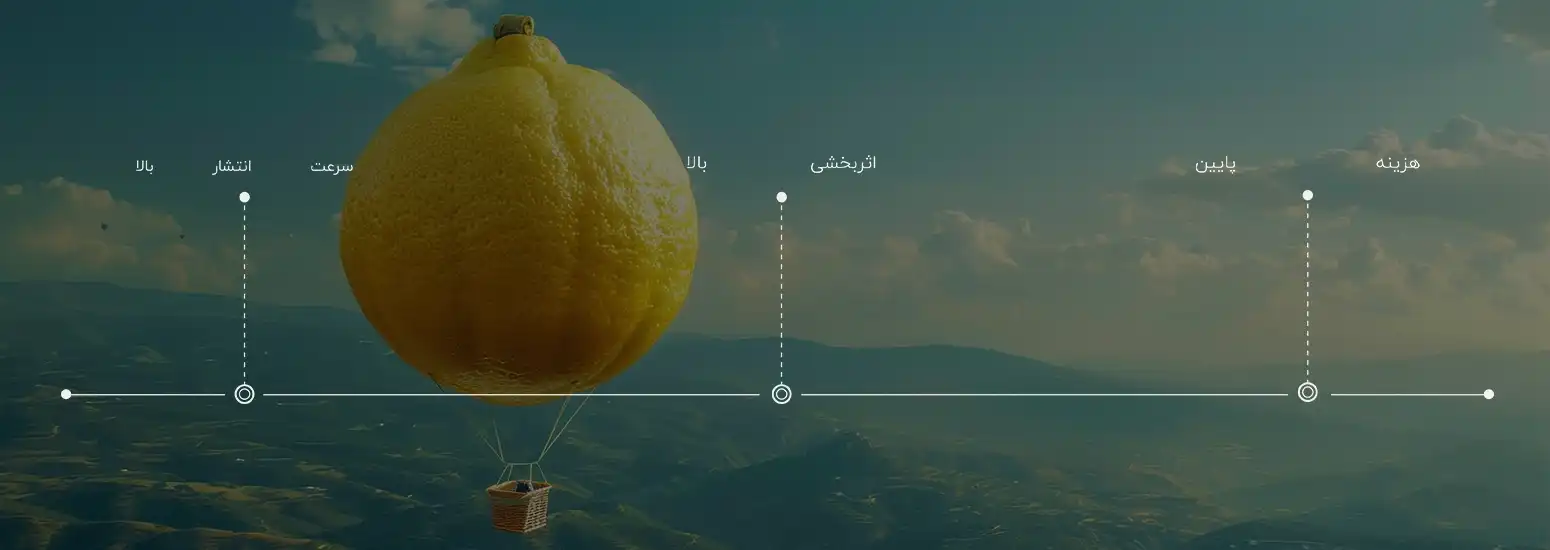
High release speed
Guerrilla marketing has the advantage of high speed of publication, allowing businesses to execute campaigns quickly and seize opportunities in time. The high speed at which guerrilla marketing spreads makes it an attractive option for social media platforms. Campaigns can quickly gain attention online by creating shareable content.
Guerrilla marketing is also very adaptable and fast. Unlike traditional marketing campaigns that require extensive planning and time, guerrilla marketing allows brands to be quick and agile in their approach. With the advent of social media and digital technology, guerrilla marketing campaigns can be quickly launched and amplified and adjusted based on real-time feedback and insights.
Challenges of guerrilla marketing
Guerrilla marketing tactics come with a set of obstacles. These challenges, although they are diverse and always present, are at their heart an opportunity for innovation and growth. A company with creativity and strategic thinking can overcome these challenges and pave the way to success.
Less message control
Guerrilla marketing campaigns often rely on unconventional tactics and creative execution to gain attention. However, this method can sometimes lead to ambiguity or misinterpretation of the intended message. Without full control over how the campaign is perceived, businesses run the risk of misunderstanding or taking their message out of context, potentially damaging their brand reputation.
Guerrilla marketing campaigns may involve multiple touchpoints and interactions with consumers across multiple channels and platforms. Without tight control over messaging, companies may struggle to maintain consistency in messaging, tone, and brand voice. This inconsistency can dilute brand identity, confuse consumers, and erode their trust and loyalty over time. Guerrilla marketing campaigns may sometimes provoke negative reactions from consumers, stakeholders or regulatory authorities. If the campaign is deemed offensive, inappropriate or unethical, businesses face backlash, criticism or even legal consequences.
Inconsistency of results
Guerrilla marketing relies heavily on attracting and engaging target audiences in unconventional ways. However, audience response to guerrilla marketing tactics can be highly unpredictable. While some campaigns may resonate strongly with audiences, others may fail to grab people’s attention or evoke the desired emotions. Factors such as cultural differences, timing, etc. can all affect how audiences perceive and react to guerrilla marketing efforts, making it difficult for businesses to predict or control the results. This inconsistency can make it challenging for businesses to evaluate the effectiveness of guerrilla marketing campaigns and justify their return on investment.
conclusion
In the world of marketing and marketing, where the competition is fierce and the attention span is fleeting, guerrilla marketing appears as a platform for creativity, innovation and ingenuity. Guerrilla marketing is a strategic approach that challenges conventions and norms, and we must remember that the essence of this strategy is not in its scale or budget, but in its ability to inspire, engage and evoke emotion. Whether you’re a small startup or a global brand, guerrilla marketing offers endless possibilities for innovation and impact. It is enough to think outside the box and dare to be different.
Gelavizh, a company seriously committed to providing modern marketing and advertising services, strives to bring businesses to a new level of success and recognition. This company benefits from the combination of experience, expertise and an innovative attitude to provide high quality services to its customers.
Frequently Asked Questions (FAQs)
1. What is guerrilla marketing and how does it differ from traditional marketing?
Guerrilla marketing is a creative and low-cost advertising method that uses unexpected and innovative tactics to capture audience attention. Unlike traditional marketing, which often requires large budgets, guerrilla marketing focuses on creativity and smart execution, relying more on emotional impact and momentary engagement.
2. What are the main benefits of guerrilla marketing for businesses?
Guerrilla marketing offers advantages such as:
- Low advertising costs
- Rapid dissemination
- Emotional engagement with the audience
- Increased brand awareness
This approach is particularly effective for startups and brands with limited budgets.
3. What are some successful examples of guerrilla marketing?
Successful guerrilla marketing examples include:
- The Fearless Girl statue on Wall Street (raising awareness about gender diversity)
- Flash mobs in public spaces
- Brand graffiti advertisements on city walls
- These campaigns use creative methods to capture wide attention and often go viral.
4. How is guerrilla marketing implemented on social media?
In the digital space, guerrilla marketing is often executed through viral marketing. Brands create engaging, shareable, and emotional content on platforms like Instagram, TikTok, Twitter, and YouTube to surprise audiences and encourage interaction.
5. Is guerrilla marketing suitable for every type of business?
Yes, guerrilla marketing can be effective for small businesses, startups, and large companies alike. However, it must be designed considering:
- Target audience
- Cultural and social context
- Brand messaging
- to achieve the best impact and reduce the risk of misunderstanding or negative reactions.
6. What are the main challenges of guerrilla marketing?
Challenges of guerrilla marketing include:
- Less control over the message and audience perception
- Risk of misunderstanding or negative backlash
- Unpredictable results
However, with careful planning, audience insight, and professional execution, these challenges can be managed.
7. How can we design a successful guerrilla marketing campaign?
To design a successful guerrilla marketing campaign:
- Define your goals and message clearly
- Understand your target audience well
- Use creative visual and emotional elements
- Choose the appropriate channels (online or offline)
- Consider the potential for virality
- Collaborate with influencers or local artists
- Monitor reactions and adjust the campaign as needed
If you want, I can help polish it further or adapt the tone to a more
